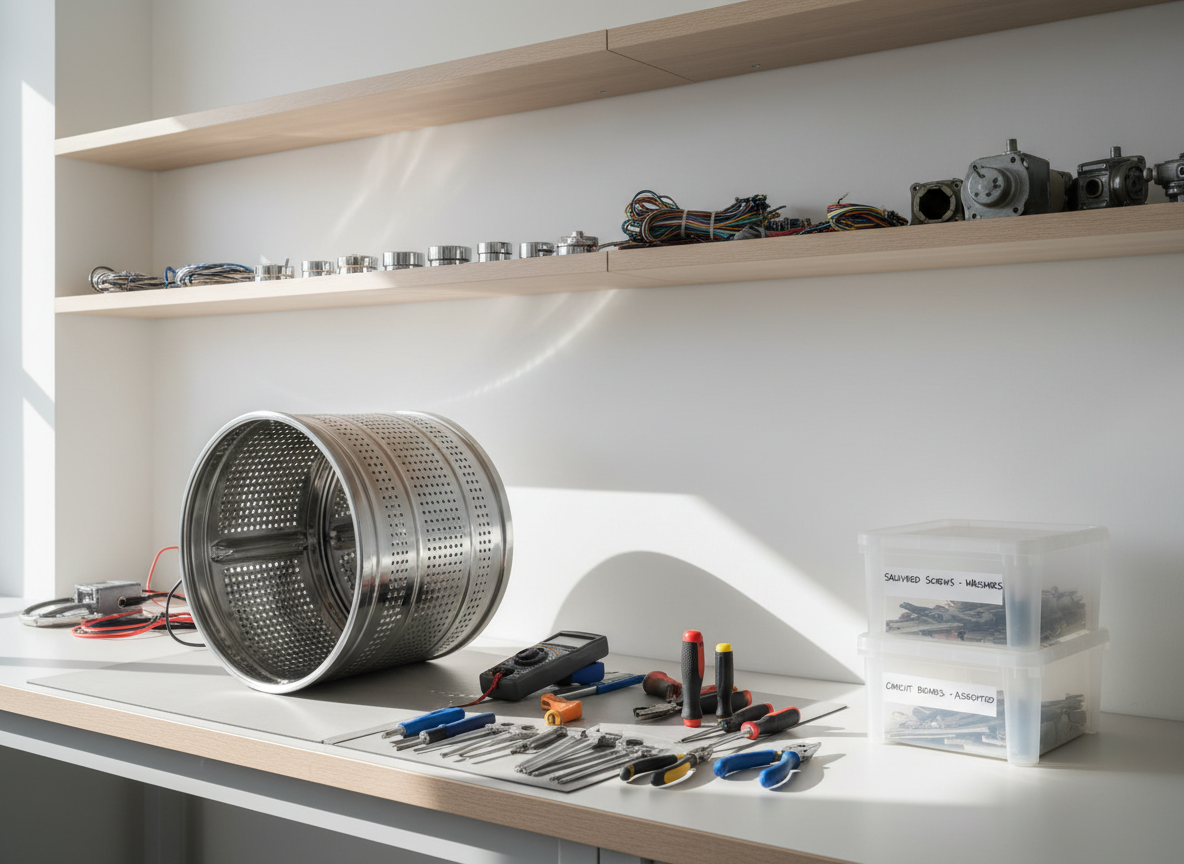
A neatly organized workbench in a bright, modern repair lab, covered with a partially disassembled stainless-steel washing machine drum, neatly arranged tools, and labeled containers of salvaged screws and circuit boards. The bench stands against a clean white wall with simple shelving holding carefully sorted appliance parts, from shiny chrome knobs to color-coded wiring harnesses. Soft, diffused daylight from an unseen window creates gentle reflections on the metal surfaces and casts subtle shadows, giving a calm, methodical atmosphere. Photographed at eye level with sharp focus throughout, the composition uses the rule of thirds to highlight both the repair-in-progress and the tidy environment, creating a professional, photographic realism that feels precise yet welcoming, perfectly suited to an educational appliance repair site.

Repair Resources

Download project guides, parts lists, and diagrams to practice appliance repair at your own pace.
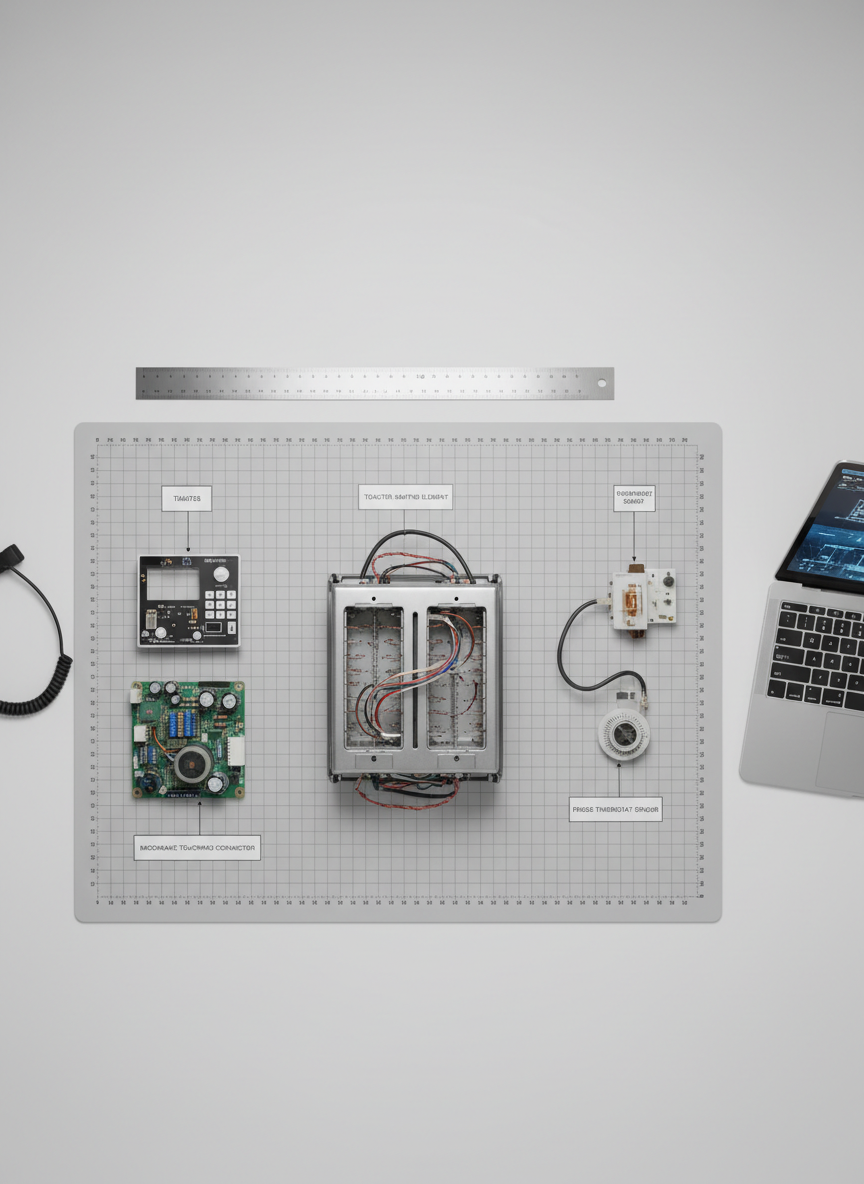
A top-down view of a carefully laid-out appliance repair learning station, featuring a disassembled toaster, microwave control panel, and refrigerator thermostat arranged on a light gray mat printed with subtle grid lines and measurement markings. Each component is grouped with small white labels and arrows, like a visual lesson in progress. Around the mat sit a calibration ruler, anti-static wrist strap, and a slim laptop showing faintly visible schematics on its screen. Soft, diffused overhead lighting eliminates harsh shadows, giving a clear, instructional feel. The composition is symmetrical and tidy, emphasizing order and comprehension. The photographic style is clean and realistic, with muted, professional colors. The atmosphere is calm and analytical, ideal for conveying step-by-step educational content about turning discarded appliances into well-understood, repairable devices.
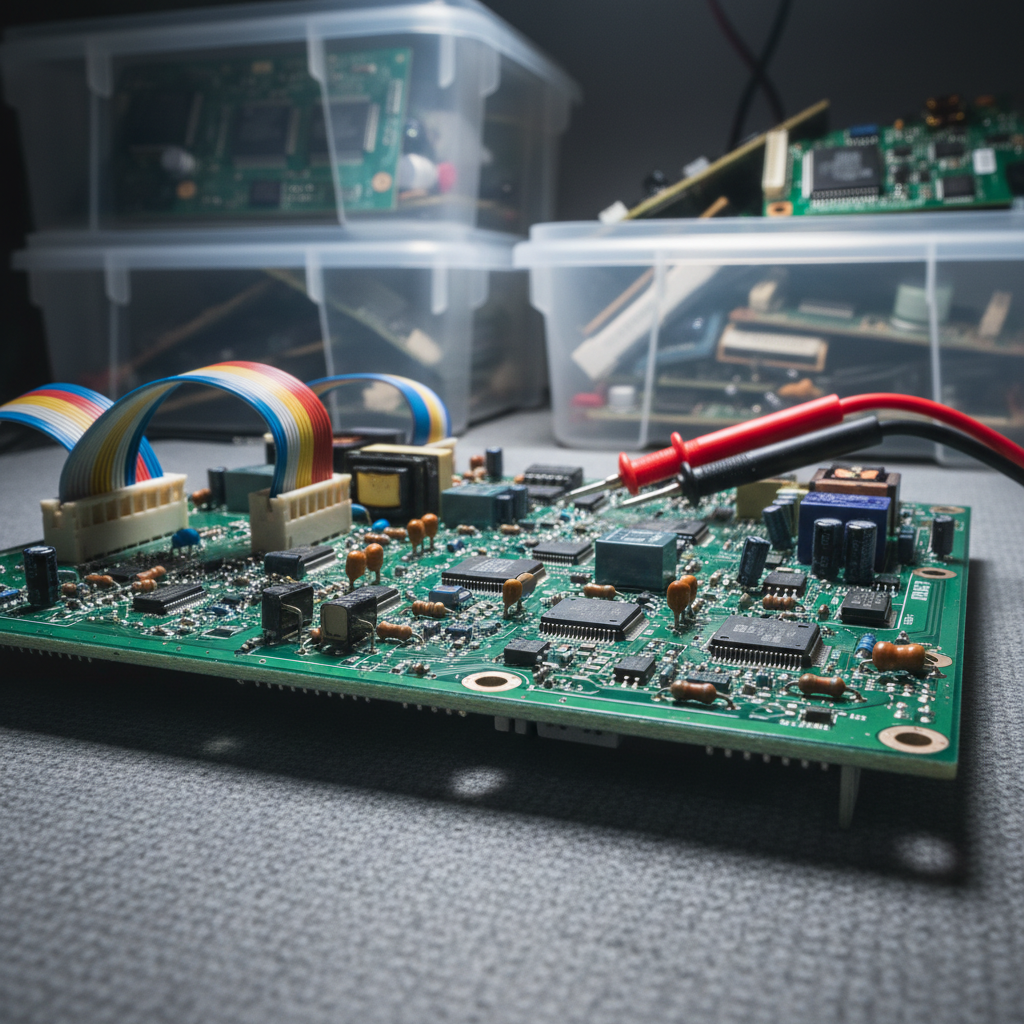
A detailed close-up of the internal circuitry of a salvaged dishwasher control board mounted on a static-safe mat, with meticulously soldered joints, color-coded ribbon cables, and small diagnostic probes clipped onto test points. In the background, blurred yet recognizable, stand transparent plastic containers filled with reclaimed circuit boards sorted by type. Cool, even LED workbench lighting brings out the fine textures of the green PCB, the metallic luster of solder traces, and the colorful bands on resistors, creating crisp, technical clarity. Captured at a low, side angle with selective focus, the board’s components appear prominent while the background fades into soft bokeh. The mood is precise and investigative, with clean, photographic realism that supports advanced, professional-level lessons on component-level appliance repair and intelligent reuse of electronics.
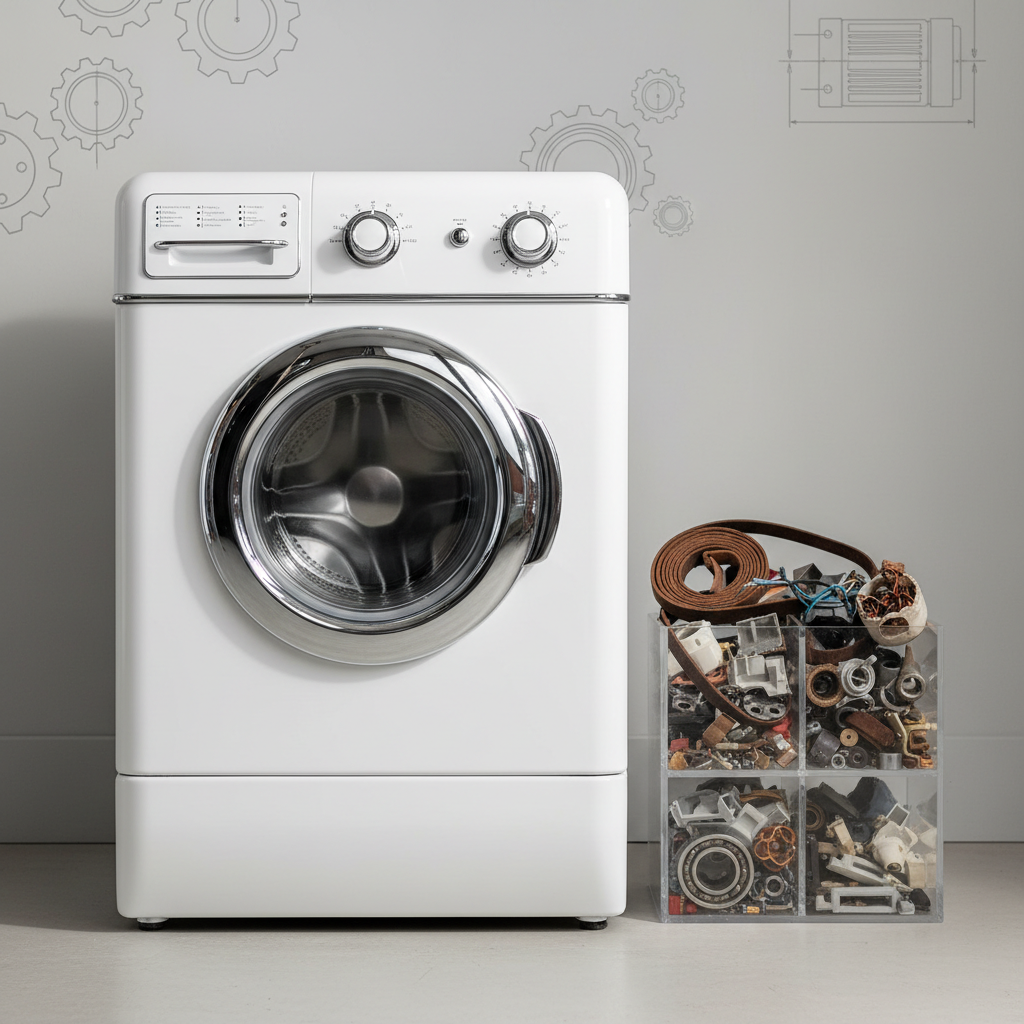
A rehabilitated, vintage-looking white enamel washing machine beautifully restored, standing in a minimalist studio space beside a transparent acrylic bin filled with neatly organized salvaged parts—old belts, worn bearings, cracked plastic housings—now carefully cleaned and sorted. The washing machine’s freshly polished enamel and retro chrome dials subtly reflect soft, diffused daylight from a large unseen window, creating a gentle glow on its surface. The background is an uncluttered light gray wall with a faint blueprint-style diagram of appliance components as wall art. Shot straight-on at eye level with a moderate depth of field, everything is clearly visible but the machine remains the hero. The photographic realism and clean, professional mood emphasize the narrative of transforming discarded appliances into functional treasures through disciplined repair skills.

Projects

Downloads

Browse detailed repair briefs, printable parts lists, and clear wiring diagrams for real-world appliance rebuilds. Each download supports hands-on learning so you can turn curbside finds into reliable, working machines.
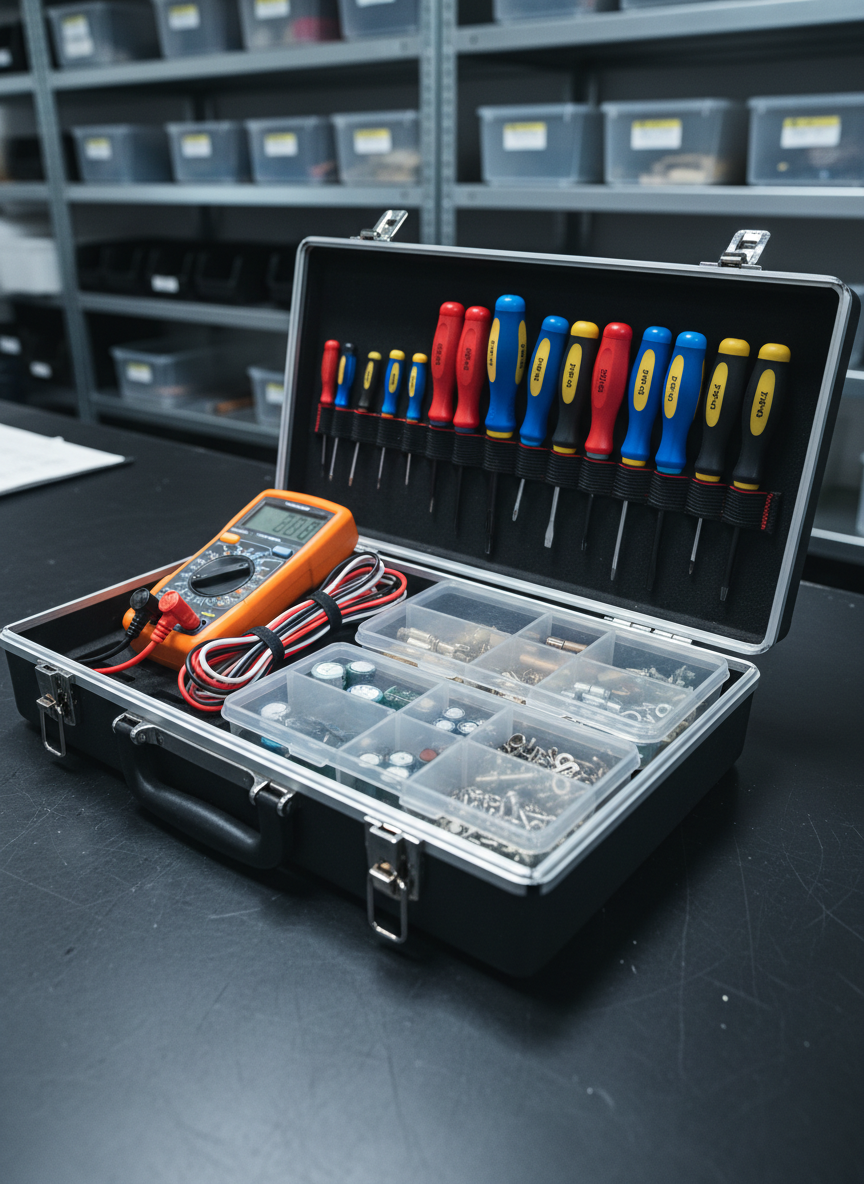
A close-up of an open toolbox dedicated to appliance repair, featuring precision screwdrivers with colored rubber grips, a digital multimeter with its screen glowing faintly, neatly coiled insulated wires, and small compartmentalized trays filled with salvaged capacitors, fuses, and screws. The toolbox rests on a smooth, matte black work surface speckled with faint scuff marks from use. Overhead cool-white LED workshop lights create clean, even illumination with soft reflections on metal tips and plastic casings, emphasizing clarity and order. Shot from a slightly elevated angle with shallow depth of field, the foreground tools are in crisp focus while the background gently blurs into shelves of labeled bins. The mood is focused and professional, with photographic realism and a clean, modern aesthetic that communicates readiness to transform broken appliances into functional treasures.