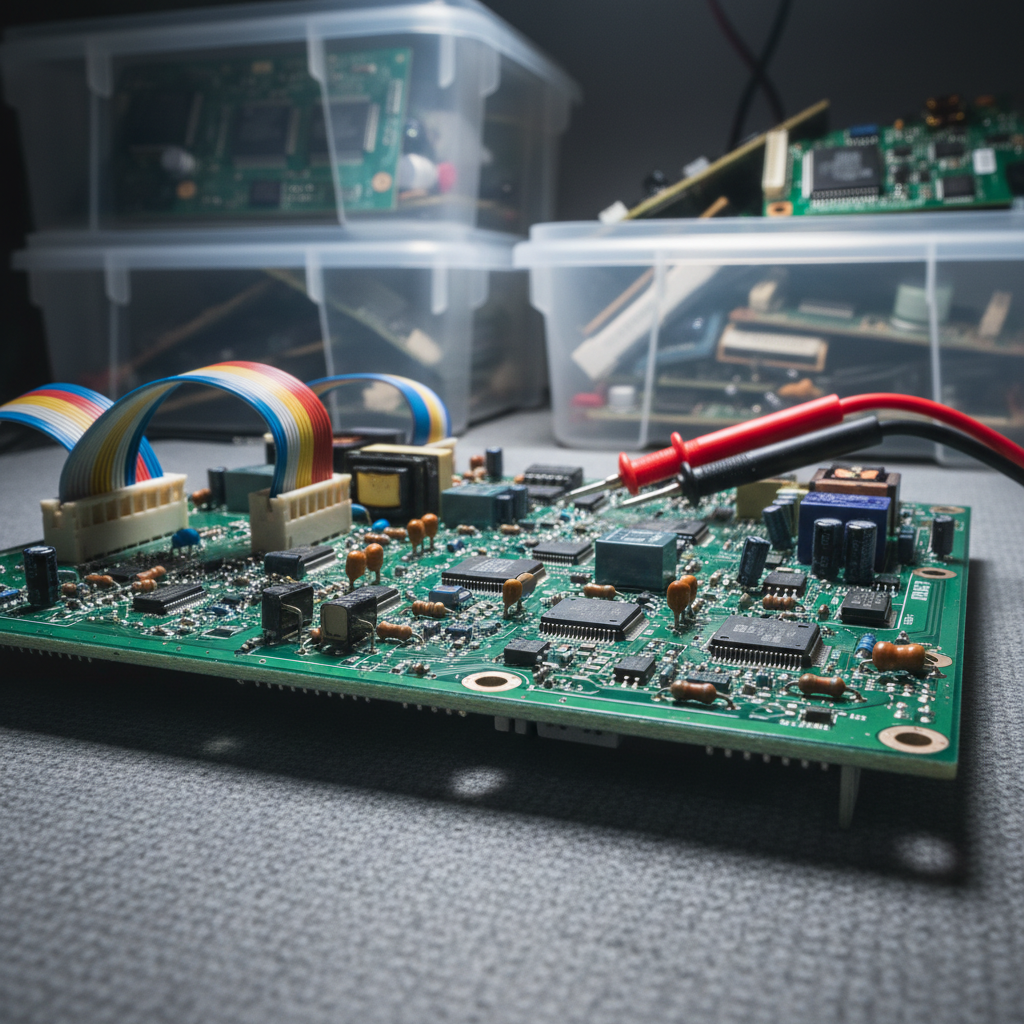
A detailed close-up of the internal circuitry of a salvaged dishwasher control board mounted on a static-safe mat, with meticulously soldered joints, color-coded ribbon cables, and small diagnostic probes clipped onto test points. In the background, blurred yet recognizable, stand transparent plastic containers filled with reclaimed circuit boards sorted by type. Cool, even LED workbench lighting brings out the fine textures of the green PCB, the metallic luster of solder traces, and the colorful bands on resistors, creating crisp, technical clarity. Captured at a low, side angle with selective focus, the board’s components appear prominent while the background fades into soft bokeh. The mood is precise and investigative, with clean, photographic realism that supports advanced, professional-level lessons on component-level appliance repair and intelligent reuse of electronics.

Repair Library

Browse appliance guides, safety tips, and step-by-step repair checklists in one place.

Newsletter

Get weekly DIY appliance repair tips and tool tricks.
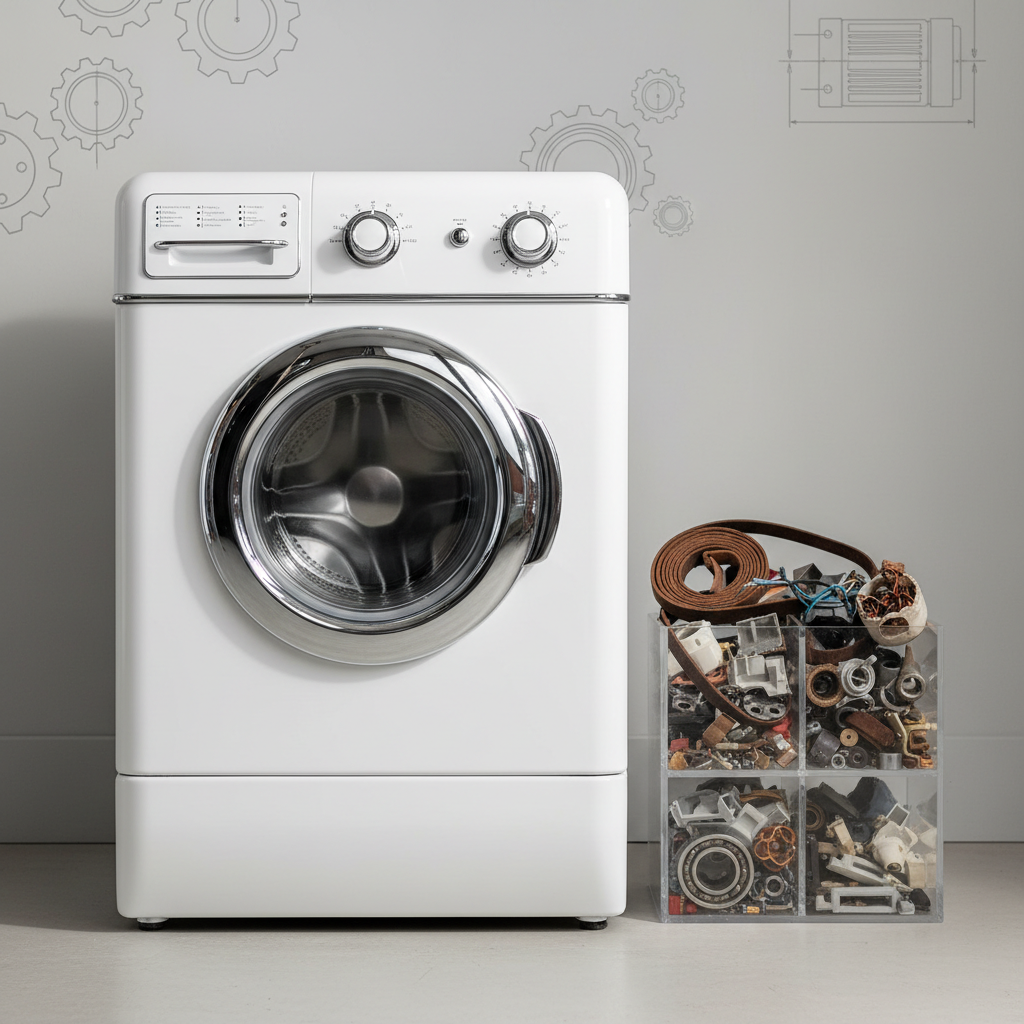
A rehabilitated, vintage-looking white enamel washing machine beautifully restored, standing in a minimalist studio space beside a transparent acrylic bin filled with neatly organized salvaged parts—old belts, worn bearings, cracked plastic housings—now carefully cleaned and sorted. The washing machine’s freshly polished enamel and retro chrome dials subtly reflect soft, diffused daylight from a large unseen window, creating a gentle glow on its surface. The background is an uncluttered light gray wall with a faint blueprint-style diagram of appliance components as wall art. Shot straight-on at eye level with a moderate depth of field, everything is clearly visible but the machine remains the hero. The photographic realism and clean, professional mood emphasize the narrative of transforming discarded appliances into functional treasures through disciplined repair skills.
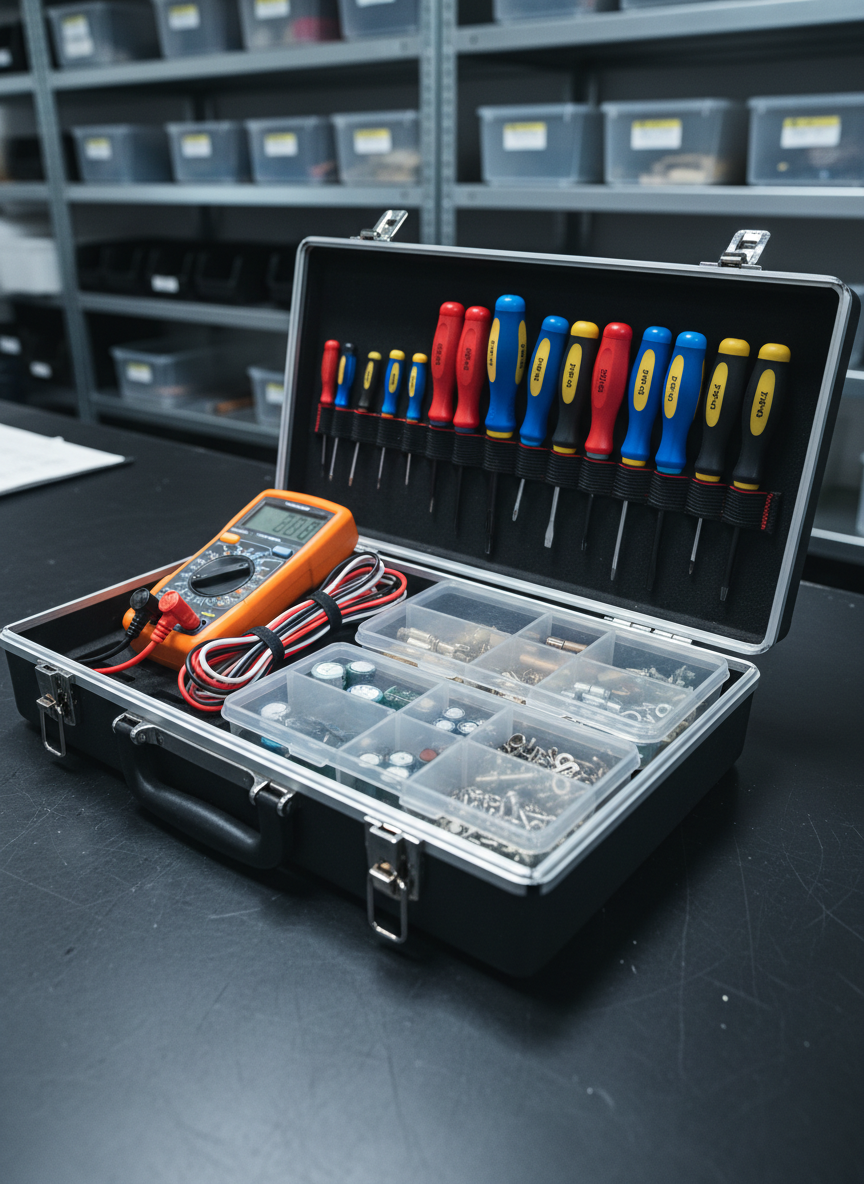
A close-up of an open toolbox dedicated to appliance repair, featuring precision screwdrivers with colored rubber grips, a digital multimeter with its screen glowing faintly, neatly coiled insulated wires, and small compartmentalized trays filled with salvaged capacitors, fuses, and screws. The toolbox rests on a smooth, matte black work surface speckled with faint scuff marks from use. Overhead cool-white LED workshop lights create clean, even illumination with soft reflections on metal tips and plastic casings, emphasizing clarity and order. Shot from a slightly elevated angle with shallow depth of field, the foreground tools are in crisp focus while the background gently blurs into shelves of labeled bins. The mood is focused and professional, with photographic realism and a clean, modern aesthetic that communicates readiness to transform broken appliances into functional treasures.

Essential Repair Reference Center

Dive into safety protocols, wiring basics, troubleshooting flowcharts, and tool guides designed to keep every appliance repair efficient, effective, and low-risk for beginners and seasoned tinkerers alike.

Sky’s Repair Hub

Sky’s Repair
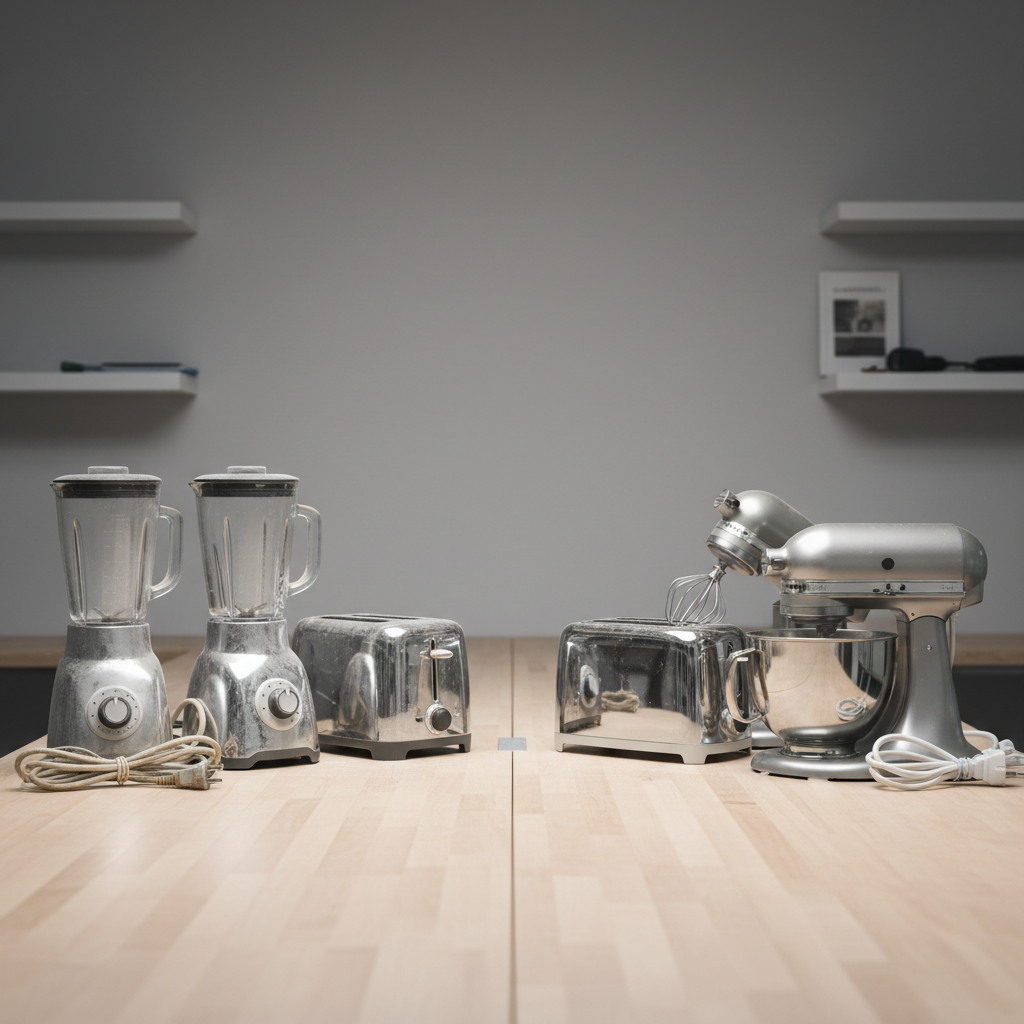
An array of "before and after" small kitchen appliances displayed on a long, light-wood bench in a minimalist lab setting. On the left side, slightly dusty, scratched blenders, toasters, and mixers with missing knobs and frayed cords sit in a rough, unpolished state. On the right, the same models appear fully repaired, cords replaced, casings cleaned and buffed to a subtle sheen, and gleaming stainless-steel elements catching the light. A neutral gray wall backdrop and uncluttered shelves provide context without distraction. Soft studio lighting from both sides creates gentle highlights that accentuate the transformation. Photographed from a slightly elevated, wide-angle perspective, with sharp focus throughout, the image has a professional, documentary feel in photographic realism, underscoring the "trash to treasure" concept at the heart of the repair lab’s educational mission.

Trash to treasure